-(1920-x-420-px).png?w=1920&h=420)

.png?w=1024&h=1024)
|
"Magnesium is one of the most critical electrolytes in human physiology. It serves as a cofactor in more than 300 enzymatic reactions. Despite its importance, subclinical magnesium deficiency is a silent epidemic in modern society."
|
Clinical observation reveals that many individuals suffer from vague, unexplained symptoms that are fundamentally linked to a lack of this essential mineral. Due to widespread soil depletion and the prevalence of processed diets, meeting the Recommended Dietary Allowance (RDA) has become increasingly difficult for the average individual.
The Consumer Checklist: 10 Identifiable Symptoms
1. Muscle Twitches and Cramps
- Involuntary movements like eye twitches or "charley horses" often indicate over-stimulated nerves due to mineral imbalance.
2. Sleep Difficulty (Insomnia)
- An inability to calm the mind may be linked to low GABA levels, a neurotransmitter that requires magnesium for regulation.
3. Physical and Mental Fatigue
- Insufficient magnesium hinders ATP energy production, leading to persistent lethargy even after rest.
4. Increased Anxiety
- Low mineral levels can cause a "reactive" nervous system, leaving individuals feeling constantly on edge.
5. Intense Chocolate Cravings
- The body may subconsciously signal for the high magnesium content naturally found in pure cocoa.
6. High Blood Pressure
- Magnesium deficiency can lead to constricted blood vessels, as the mineral is essential for arterial relaxation.
7. Heart Palpitations
- Fluttering sensations in the chest can occur when the heart's electrical rhythm is disrupted by low electrolyte levels.
8. Digestive Sluggishness
- Chronic constipation is a frequent clinical indicator of inadequate osmotic hydration in the digestive tract.
9. Frequent Migraines
- Deficiency is often associated with heightened sensitivity to blood vessel constriction and neurotransmitter imbalances.
10. Low Vitamin D Activation
- Clinical research shows Vitamin D remains inactive without sufficient magnesium acting as a catalyst.
Restoration: Supplement Selection & Bioavailability
When dietary intake is insufficient, supplementation is often recommended. However, it is a common clinical oversight to assume all magnesium forms provide identical benefits. Magnesium must be bound to another molecule (chelated) to be stable and absorbable, and the choice of that molecule determines the physiological outcome.
The Role of Magnesium Glycinate
Clinical findings indicate that Magnesium Glycinate is frequently identified as an optimal form for general replenishment. It is formed by bonding magnesium with Glycine, a non-essential amino acid recognized for its calming properties.
|
✓ Superior Absorption: Glycinate utilizes specific amino acid pathways for transport, minimizing competition with other minerals in the gut. ✓ Gastrointestinal Stability: Unlike inorganic salts, Glycinate is highly stable and significantly less likely to cause digestive distress.
|
✓ Neurological Efficacy: Because glycine acts as an inhibitory neurotransmitter, this form is particularly effective for managing stress and sleep cycles. ✓ High Cellular Yield: It provides a higher concentration of usable magnesium to cellular structures compared to basic salts. |
Comparative Clinical Forms
Magnesium MalateBound to malic acid, supporting the Krebs cycle. It is often recommended for fatigue and muscle recovery. |
Magnesium CitrateHighly absorbable with an osmotic effect. Frequently used to support digestive regularity. |
Magnesium ThreonateRecognized for its ability to cross the blood-brain barrier, supporting cognitive health and memory. |
-1.png?w=1200&h=896)
Optimal Administration Protocol
To maximize the efficacy of Magnesium Glycinate, clinical protocols often suggest administration approximately 30 to 60 minutes prior to sleep. This allows the glycine to engage with the nervous system, assisting in the transition to restorative rest.
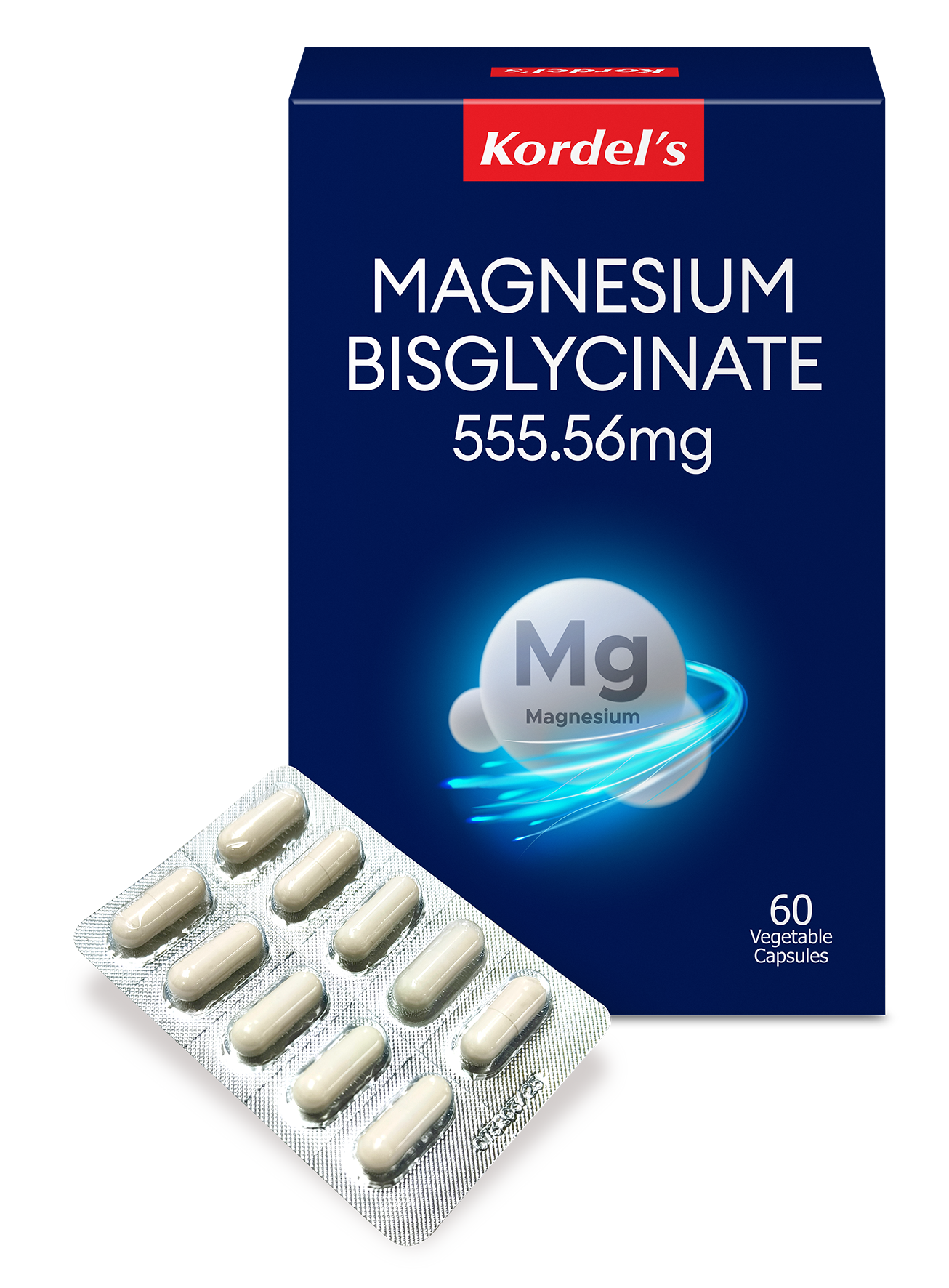 Kordel’s Magnesium Bisglycinate is a high-bioavailability magnesium supplement designed for superior absorption and gastrointestinal comfort. By chelating magnesium with the amino acid glycine, this formulation allows the mineral to be more easily absorbed by the intestinal wall compared to standard magnesium salts.
[Use the discount code 'MAGOFF20' at checkout to enjoy 20% off your first purchase of Kordel's Magnesium Bisglycinate (60 capsules).]